
Introduction
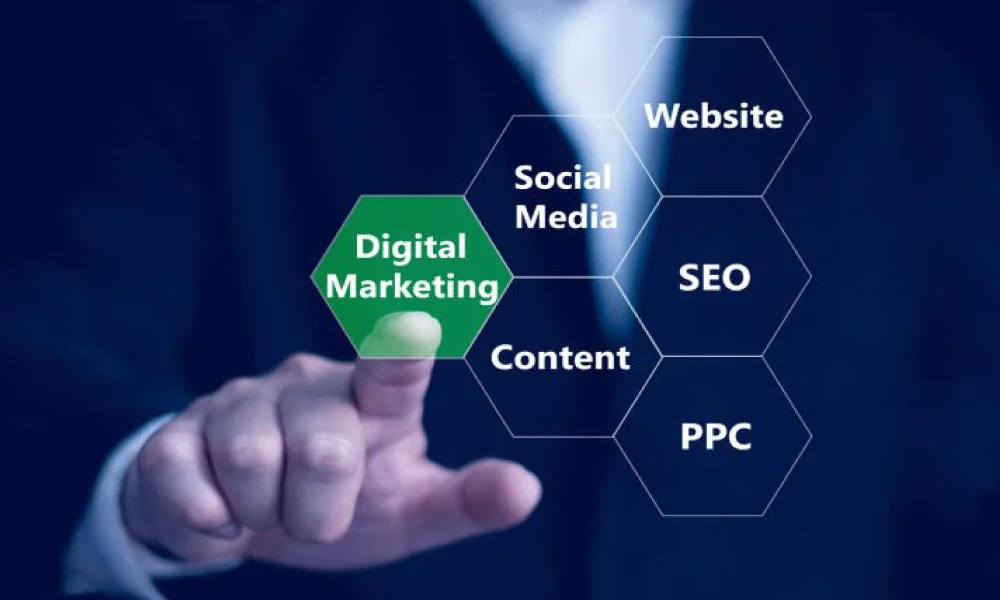
Types of digital marketing play a crucial role in helping businesses grow in today’s fast-growing digital world. Businesses are shifting from traditional marketing to online platforms to reach their target audience. Digital marketing has become one of the most powerful ways to promote products and services. Whether you are a student, job seeker, freelancer, or business owner, understanding the different types of digital marketing is essential.
In this blog, we will explore the major types of digital marketing that can help you grow your career or business in 2026.
1. Search Engine Optimization (SEO)
Search Engine Optimization (SEO) is the process of improving your website’s visibility on search engines like Google. The goal of SEO is to rank higher in search results so that more people can find your website organically (without paid ads).
SEO includes:
- Keyword research
- On-page SEO (content, meta tags, headings)
- Off-page SEO (backlinks)
- Technical SEO (website speed, mobile-friendliness)
SEO is one of the most important types of digital marketing because it brings long-term traffic to your website.
2. Pay-Per-Click Advertising (PPC)
Pay-Per-Click (PPC) is a paid marketing method where advertisers pay a fee each time someone clicks on their ad. These ads usually appear on search engines or social media platforms.
Popular PPC platforms include:
- Google Ads
- Facebook Ads
- Instagram Ads
PPC helps businesses get instant traffic and leads, making it ideal for quick results.
3. Social Media Marketing (SMM)
Social Media Marketing involves promoting your brand on platforms like Facebook, Instagram, LinkedIn, and Twitter. It helps in building brand awareness, engaging with the audience, and driving traffic.
Key activities in SMM:
- Posting content regularly
- Running ads
- Engaging with followers
- Influencer collaborations
This type of digital marketing is especially useful for businesses targeting younger audiences.
4. Content Marketing
Content Marketing focuses on creating valuable and relevant content to attract and engage users. Instead of directly promoting products, it provides useful information to build trust.
Examples of content marketing:
- Blog posts
- Articles
- Infographics
- Videos
- E-books
Good content helps improve SEO and builds authority in your niche.
5. Email Marketing
Email Marketing is one of the oldest but most effective types of digital marketing. It involves sending emails to potential and existing customers to promote products, share updates, or build relationships.
Benefits of email marketing:
- High return on investment (ROI)
- Direct communication with customers
- Personalized marketing
It is widely used for newsletters, promotions, and customer retention.
6. Affiliate Marketing
Affiliate Marketing is a performance-based marketing strategy where you earn a commission by promoting someone else’s products or services.
How it works:
- You share a unique affiliate link
- When someone buys through your link, you earn a commission
This type of digital marketing is popular among bloggers, influencers, and content creators.
7. Influencer Marketing
Influencer Marketing involves collaborating with influencers who have a large following on social media. These influencers promote your brand to their audience.
Why it works:
- Builds trust quickly
- Reaches a targeted audience
- Increases brand awareness
It is especially effective in industries like fashion, beauty, and lifestyle.
8. Mobile Marketing
Mobile Marketing focuses on reaching users through their smartphones. Since most people use mobile devices, this type of marketing is very important.
Examples include:
- SMS marketing
- Mobile apps
- Push notifications
- Mobile-friendly websites
A mobile-optimized strategy ensures better user experience and higher engagement.
9. Video Marketing
Video Marketing is one of the fastest-growing types of digital marketing. Platforms like YouTube, Instagram Reels, and TikTok have made video content extremely popular.
Types of video content:
- Tutorials
- Product demos
- Reviews
- Short-form videos
Videos are highly engaging and help in better communication with the audience.
10. Online Reputation Management (ORM)
Online Reputation Management (ORM) focuses on managing and improving a brand’s online image. It includes handling reviews, feedback, and customer complaints.
Key activities:
- Responding to reviews
- Managing negative feedback
- Building positive brand perception
A strong online reputation increases trust and credibility.
Conclusion
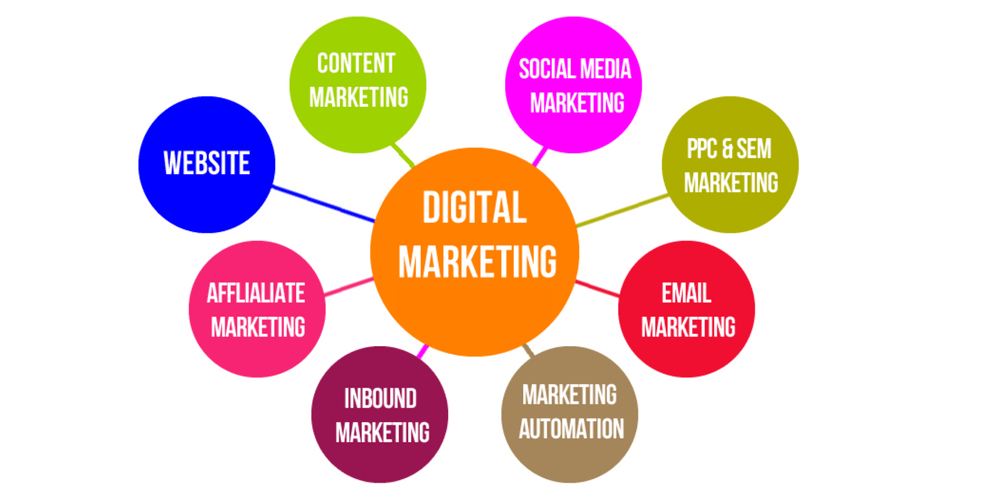
Digital marketing offers a wide range of opportunities for individuals and businesses. From SEO and content marketing to social media and influencer marketing, each type plays an important role in building a strong online presence.
If you want to succeed in digital marketing, it is important to understand these types and choose the ones that align with your goals. You don’t need to master everything at once—start with one or two areas and gradually expand your skills.
As digital trends continue to evolve in 2026, staying updated and continuously learning will help you grow in this field.